


BOWEN HEALTH BLOG


Confident, Not Arrogant
Human behavior is so very interesting. In observing others there is a clear difference between confidence and arrogance. Confidence is a very attractive characteristic while arrogance can be quite off-putting.

Emotional Wellbeing
According to the American Psychological Association, nearly 1 in 5 U.S. adults experience some form of mental illness every year. If you have a mental illness, you may have difficulty functioning in a few areas, including at work, school, and home. If we know this, why aren’t we more proactive inaddressing mental or emotional well-being?

Dealing with Difficult People
It can be draining to deal with difficult people. Often, we are part of a system that is interdependent on each other for the outcome or work product. Simply attempting to avoid difficult people is not a solution.

Being Both Efficient and Effective
There are a million things each day clamoring for your attention and it can feel like you’ve failed if you did not get to everything on the to-do list. How do we balance being both efficient and effective?

Coping with Rejection
Rejection hurts. It doesn’t matter whether it is a relational, romantic, or work-related rejection. In fact, research indicates rejection activates the same parts of our brain as physical pain does. Of course, it seems some people bounce back faster from rejection than others. What are those peopledoing that could be helpful as you seek to overcome rejection?

Diabetes and Mental Health
Type 2 diabetes is a severe health condition where the body doesn’t make insulin properly or doesn’t make enough, resulting from uncontrolled blood sugar levels. It is largely driven by lifestyle and genetic factors, including physical inactivity, age, family history, and excess weight.

Substance Use Disorder
People who live with substance use disorder may be aware of their problem but not be able to stop even if they want to. Over time, they build up a tolerance to the substance and require larger amounts to feel the effects. This downward spiral can cause physical and psychological problems, and in some cases, it can lead to serious illness and death.

Know The Signs: Help Prevent Suicides
If you think someone is considering suicide, it’s OK to ask them, but how will you know?

Working Through Grief
Grief can cause both emotional and physical reactions that can affect your health. The grieving process brings about moments of intense suffering, and it may be difficult to
continue daily routines. Here are some tips that may help to navigate the grieving process and improve your overall well-being.
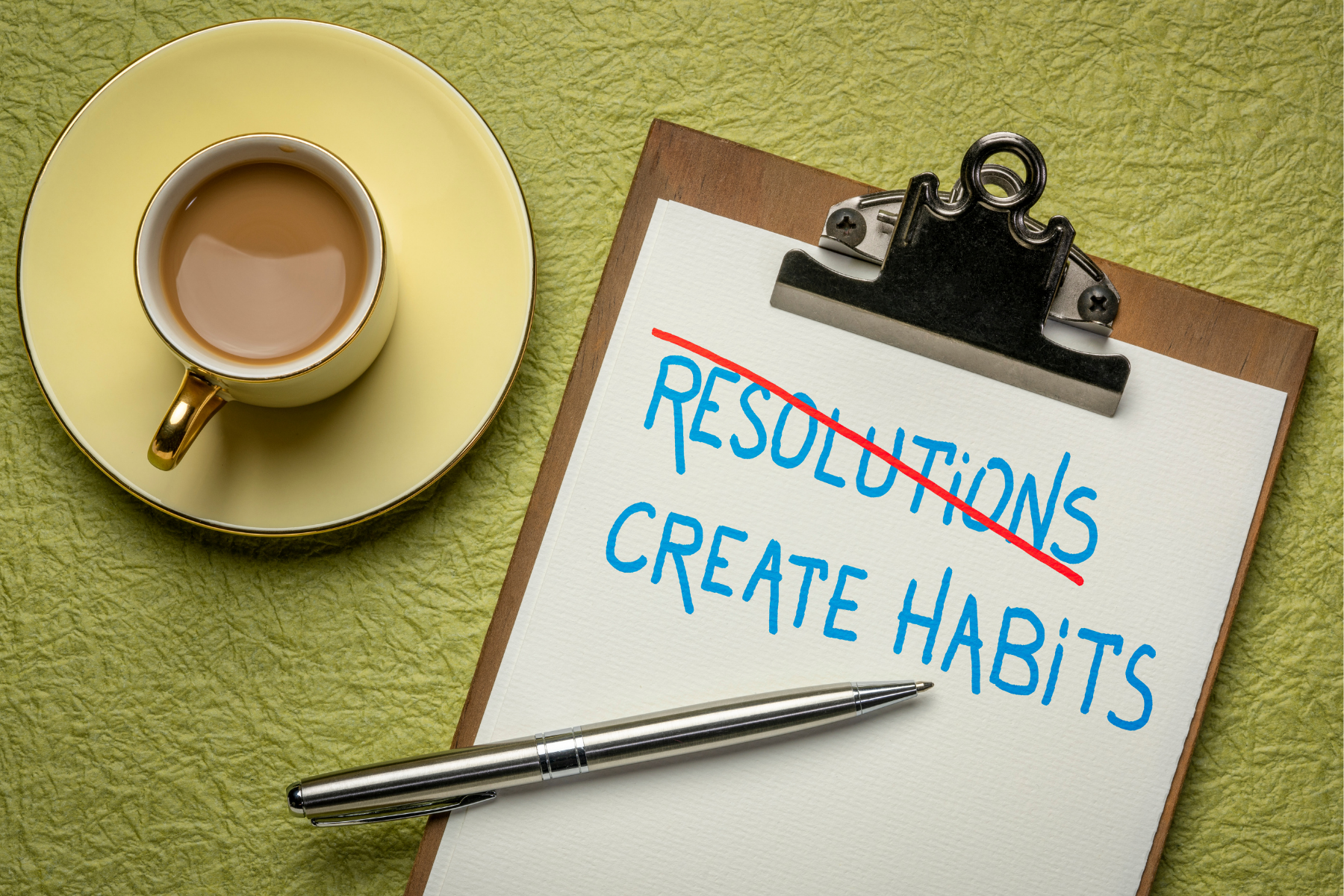
Five Easy Ways to Build Healthy Lifestyle Habits in 2026
It’s not as hard or as boring as you may think to change your behaviors and live your best, healthiest life. It’s not just changing what you do, it’s changing your mindset. Here are five simple ways to invest in your health.


Living Well Made Easier Through Integrated Care
A person’s health can often be determined by the number of obstacles preventing them from getting the care they need. That’s a cruel reality for many. The assumption is that cost is the main barrier, whether insured or not, but there is also the issue of access.

Is Your Child Struggling?
It is just as important for kids to take care of their minds as it is to take care of their bodies. Here is a simple breakdown of why mental health matters and what signs to look for.

Addressing panic attacks
When panic attacks occur, you might think you're losing control, having a heart attack, or even dying. The good news is these symptoms are not life-threatening and usually fade on their own.

Why we overthink and how to stop
Thoughts come, and thoughts go, but sometimes insistent thoughts play over and over in our minds without achieving resolution.

Are Diabetes and Mental Health connected?
Information on vital health topics can often be overwhelming, yet it is important that individuals managing mental illness understand the connection between diabetes and mental health.

Understanding eating disorders
Eating disorders are very serious mental illnesses, second only to drug overdose as a cause of death. If not treated, they can take over a person's life and cause severe, sometimes deadly, medical problems.

Make mental health checks part of your routine
Mental health screenings are a crucial tool for maintaining our overall health.

Take control of your holiday stress
As much as we look forward to the holidays, they can be a difficult time.